
The Flow Engine
Credit repair was always a paperwork problem. We automated the paperwork.
Most of the industry still disputes by hand, or worse, through the bureaus' online portals. We built an engine that runs the process the way the statute is written, at scale, with a person reviewing every send.
Why automation raises the odds
Bureaus win disputes by attrition. A consumer sends one letter, gets a form response, and gives up. The engine never gives up and never forgets a date. Every item gets the full progression: initial dispute, Method of Verification demand, furnisher dispute, regulator complaint, pre-suit demand. Each step is another statutory duty the bureau has to meet or breach.
Automation also means precision. Field-level errors that a human would skim past, a status code that contradicts a payment rating, a date of first delinquency that differs by bureau, become the strongest grounds in the letter.
Excerpt from our Round 1 bureau letter, anonymized. The language is the language we mail.
Eight stages. One file.
- 01
Intake and identity
You upload your ID and proof of address once. We pull all three reports through a monitoring account you control. Credentials are encrypted at rest and never emailed.
- 02
The 47-point scan
Every tradeline is checked against 47 Metro 2 fields across the three bureaus: account status versus payment rating, balance versus credit limit, date of first delinquency drift, duplicate collections, re-aged accounts, medical debt that should already be gone, inquiries without permissible purpose.
- 03
Letter generation
For each bureau, one letter. For each item, the specific section that governs it and the demand that follows from it: verify through a documented method or delete. Current enforcement actions against that bureau are cited. The engine drafts, a person reviews, nothing ships unsigned.
- 04
Certified dispatch
Letters print and mail through our USPS Certified Mail integration with Return Receipt. The tracking number is stored against the client file and cited in every later letter, so the bureau can never claim it did not receive the dispute.
- 05
Delivery-anchored clocks
The statutory 30 days starts on the delivery signature, not on the day we printed. The engine watches every tracking number and opens the deadline the moment USPS confirms delivery.
- 06
Response intake
Bureau responses arrive by mail to you. Photograph them, and our intake reads them, classifies each item as deleted, verified, or updated, and queues the next round automatically.
- 07
Escalation
A rubber-stamp 'verified' triggers a Method of Verification demand and a direct furnisher dispute. A missed deadline triggers a CFPB complaint and a state Attorney General complaint. Repeat non-compliance triggers a pre-suit demand with damages itemized under §616 and §617.
- 08
Progress reports
After every round you get a plain-English report: what was sent, what was deleted, what each score did on each bureau, what happens next. Real tracking numbers, real dates.
What the engine does, and what it does not
AI writes the first draft and keeps the calendar. It does not decide your case alone, it does not invent facts, and it does not dispute accurate information. The FCRA is about accuracy and verification, and so is the engine.
Automated by the engine
- Scanning all three reports field by field
- Drafting letters from the governing statutes
- Printing, mailing, and tracking certified letters
- Watching deadlines and opening escalations
- Reading and classifying bureau responses
Done by a person
- Reviewing every letter before it ships
- Deciding strategy on unusual files
- Talking with you about goals and timing
- Handling attorney referrals when a case has damages
- Answering the phone at (425) 610-7779
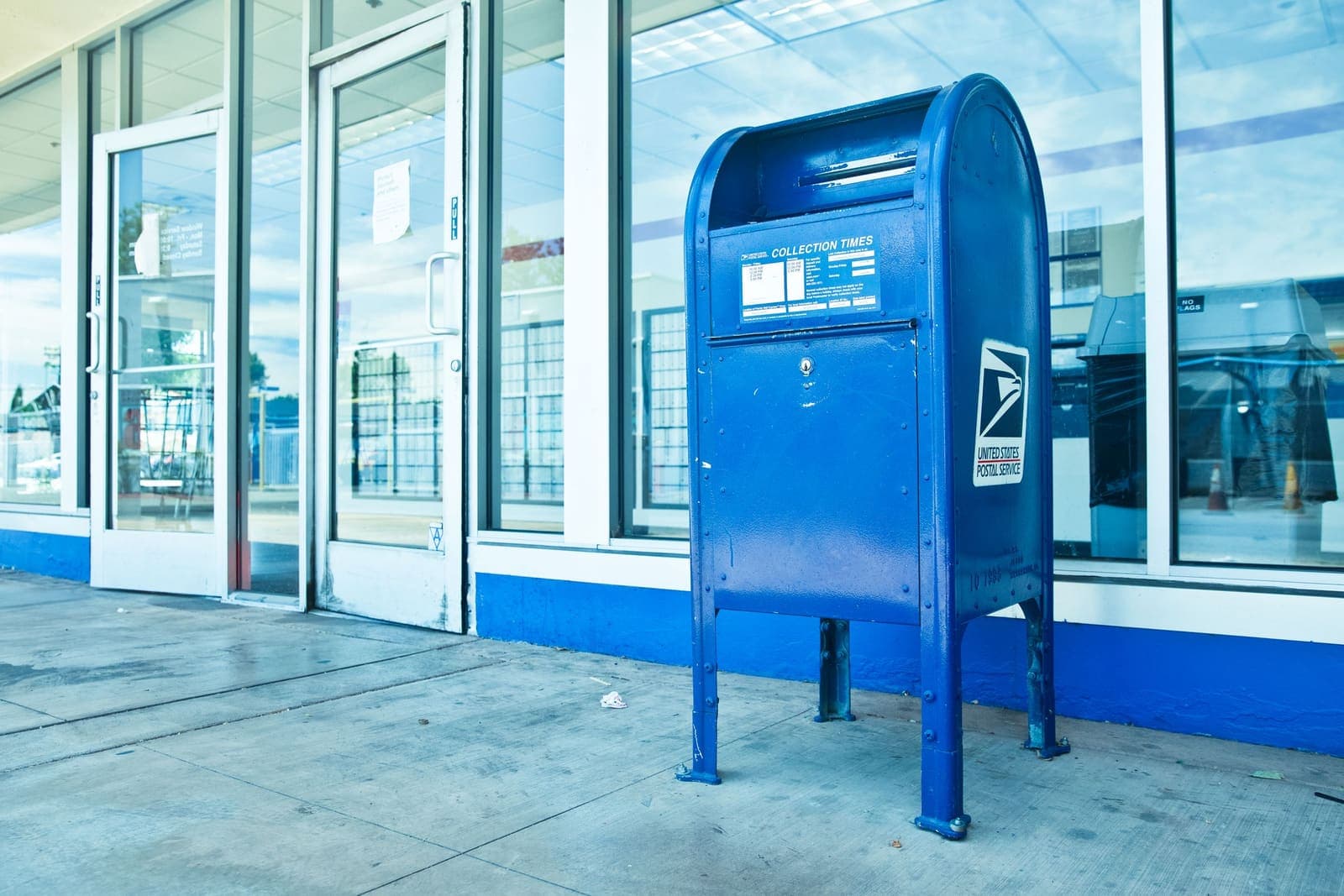
No online portals. Every dispute travels USPS Certified Mail with a return receipt, because a signature is the only proof the bureau cannot argue with.
Security
Identity documents and report credentials are encrypted at rest with a key that never leaves our server. We do not sell or share your data.
Compliance
We operate under the Credit Repair Organizations Act and Washington's Credit Services Organization Act. Written contract, three-day cancellation right, disclosures before you pay.
Honesty
We cannot remove accurate, verifiable information, and we will tell you when an item is not worth disputing. Our results page shows real outcomes, not a made-up success rate.
Ready when you are.
Choose a plan and we will email you the moment online enrollment opens, or call (425) 610-7779 and we will get you started today. Rather talk it through first? Start the free assessment and a person calls you.